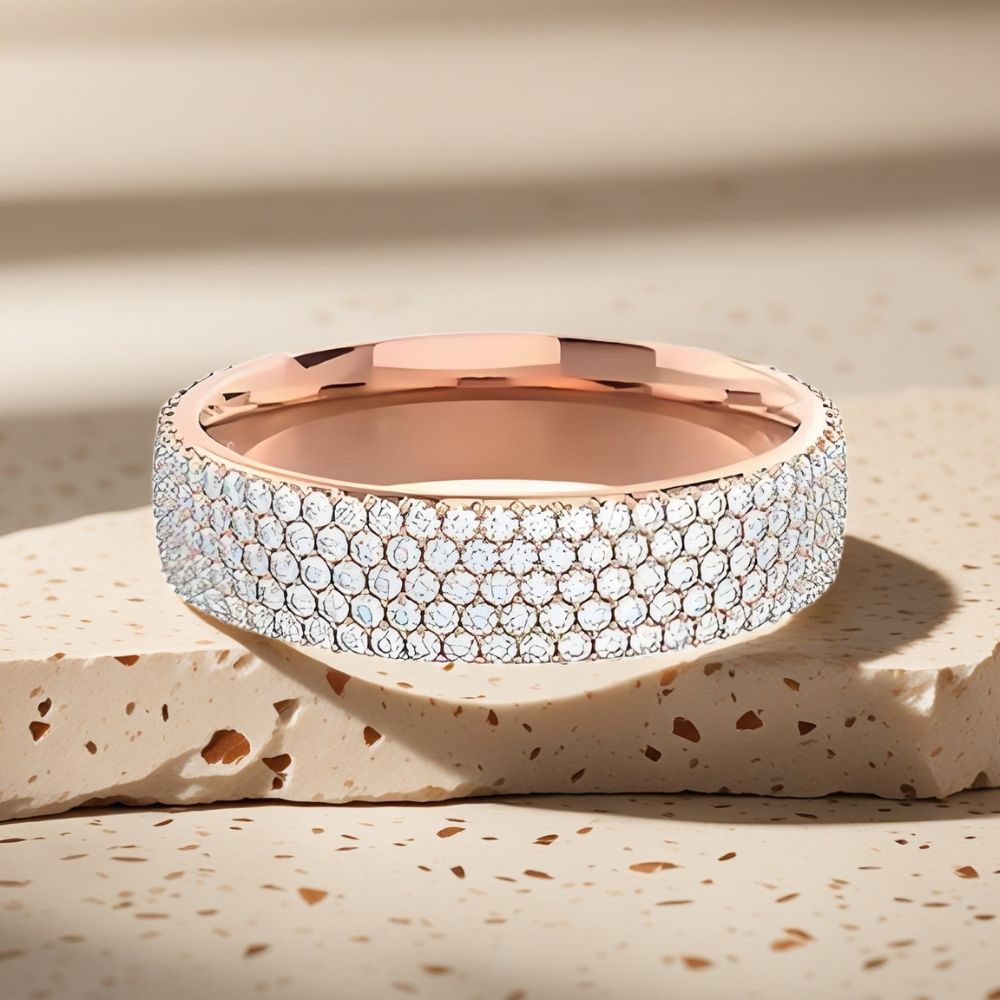
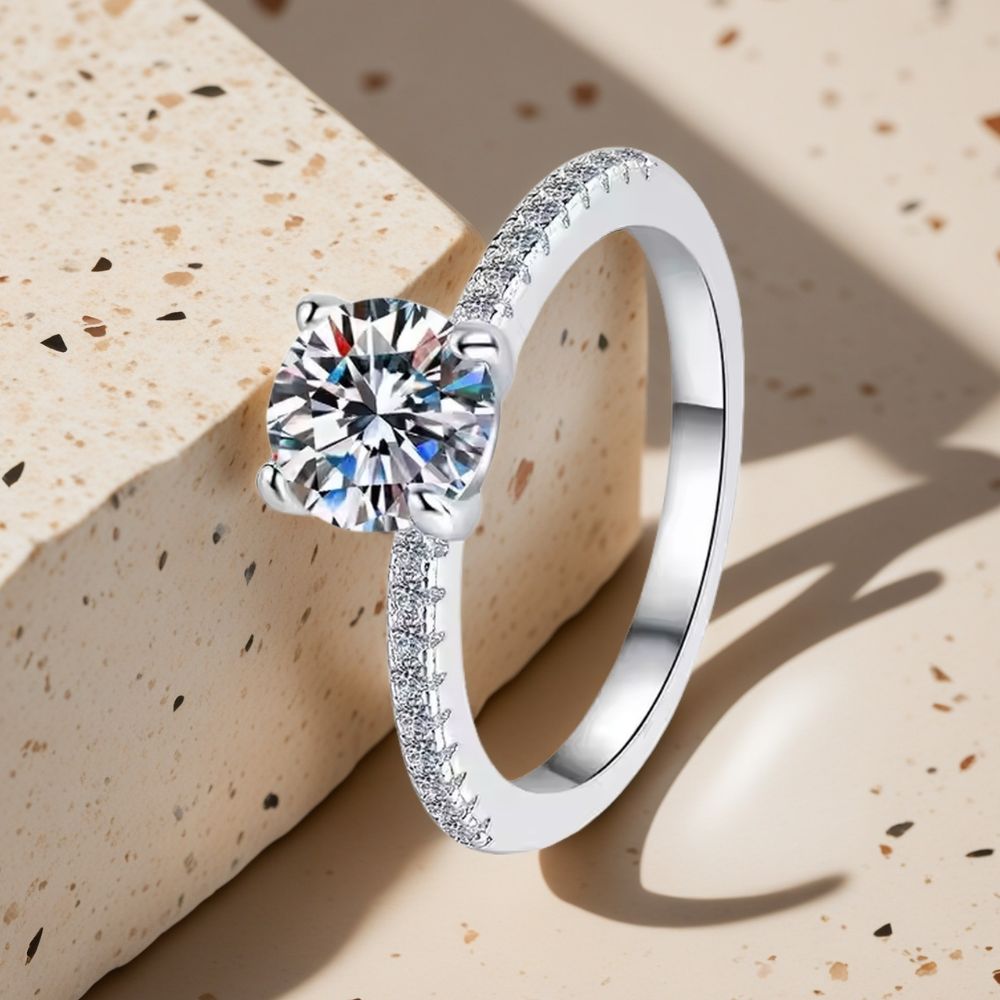
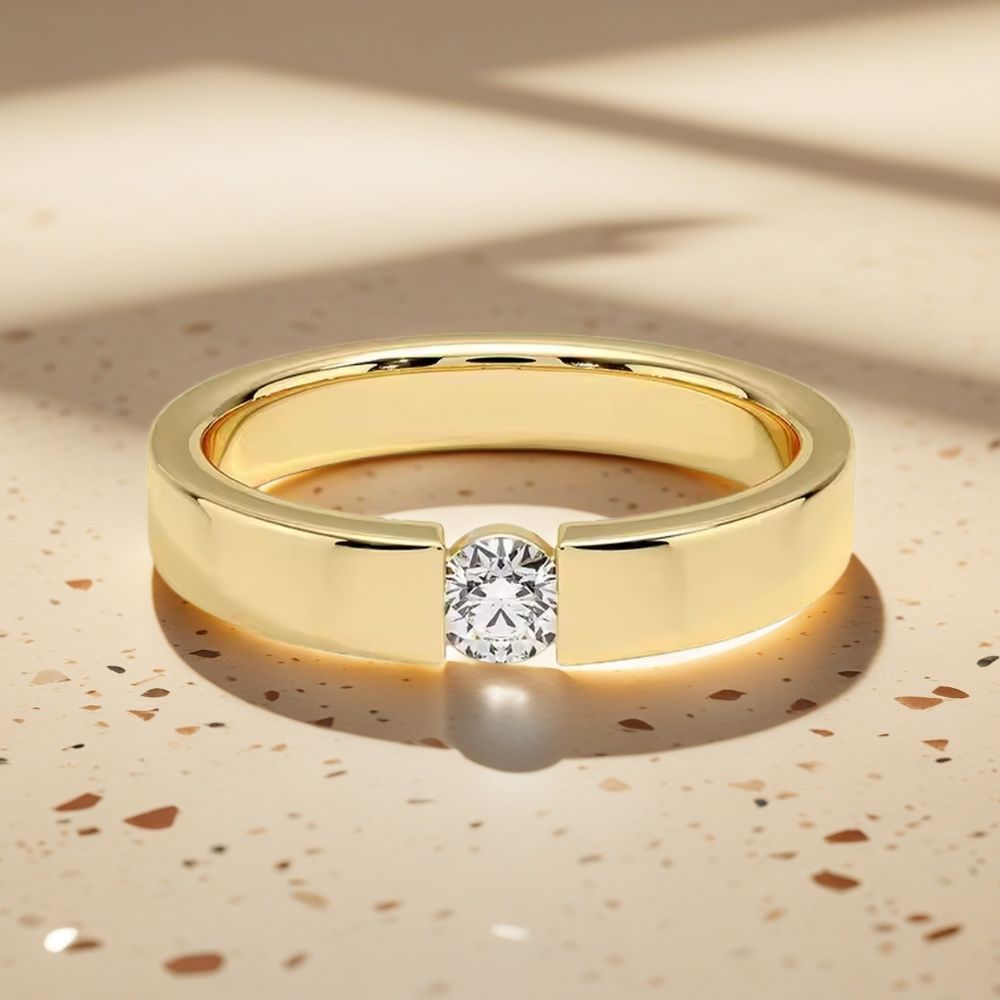
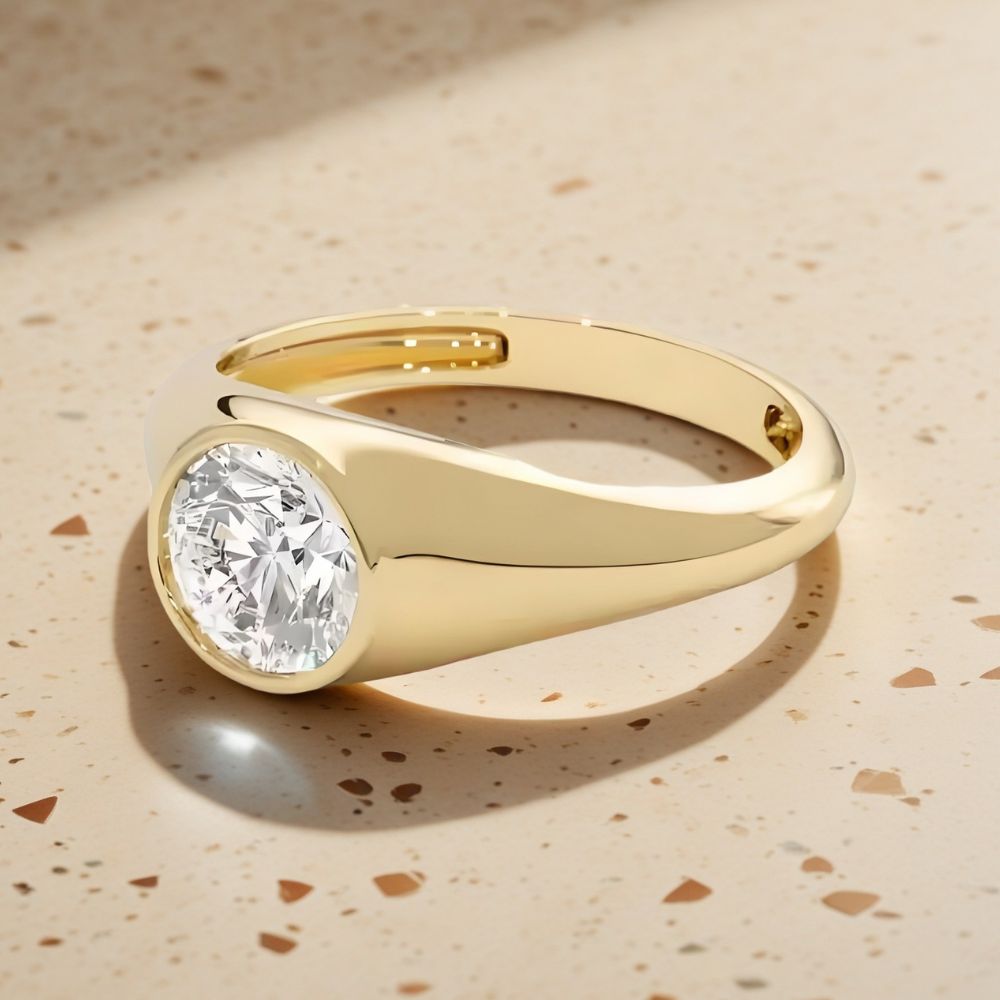
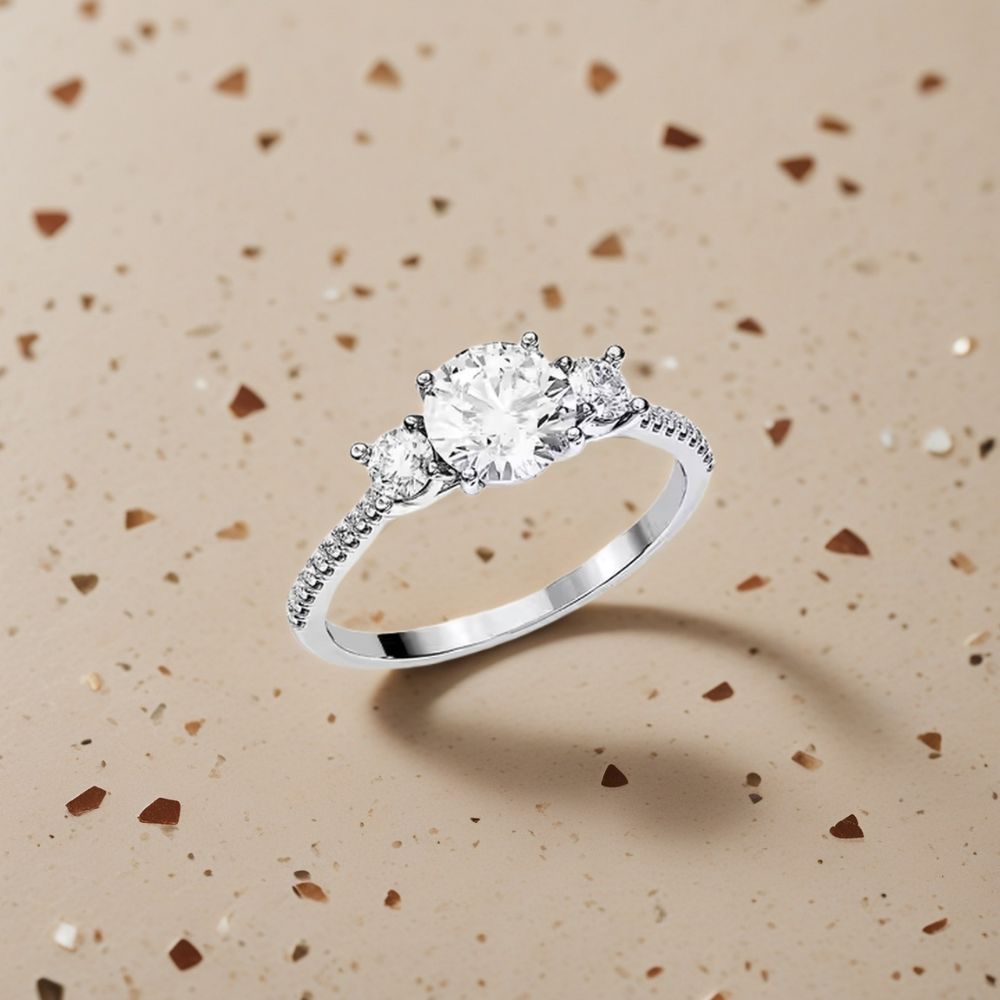
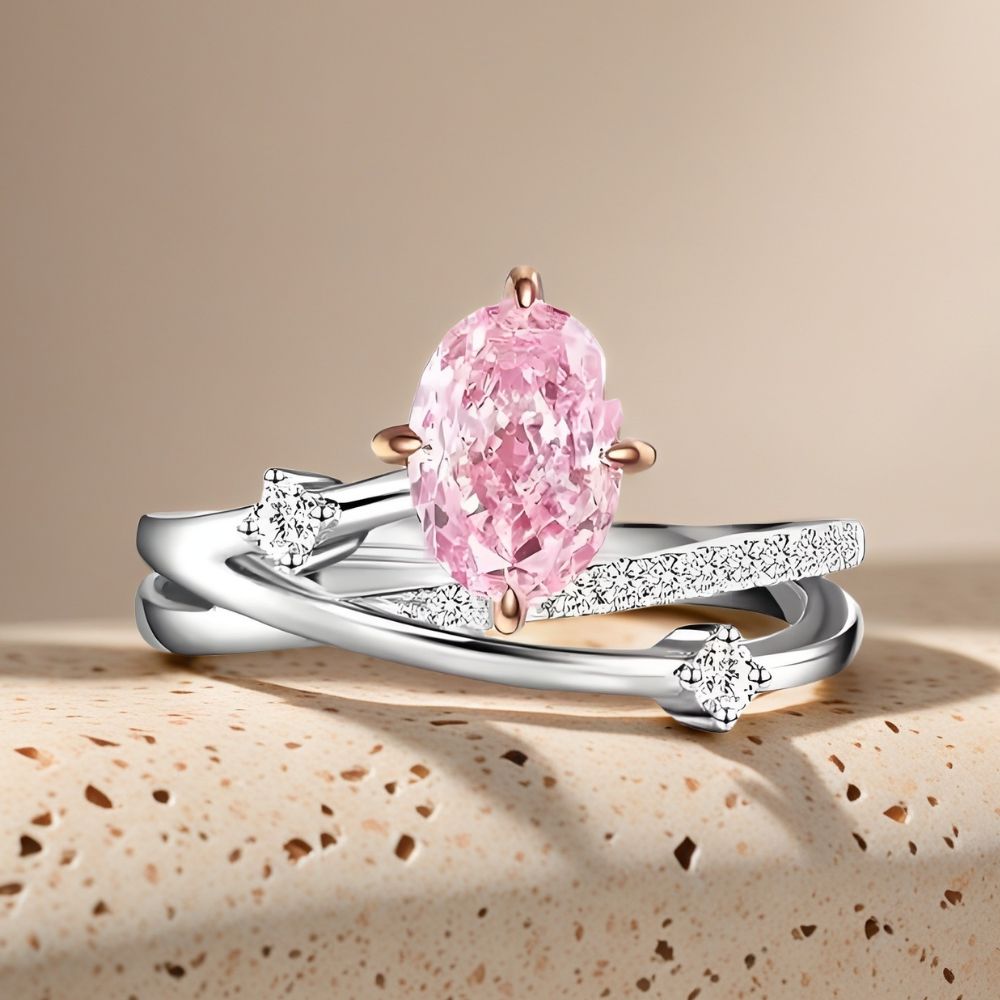
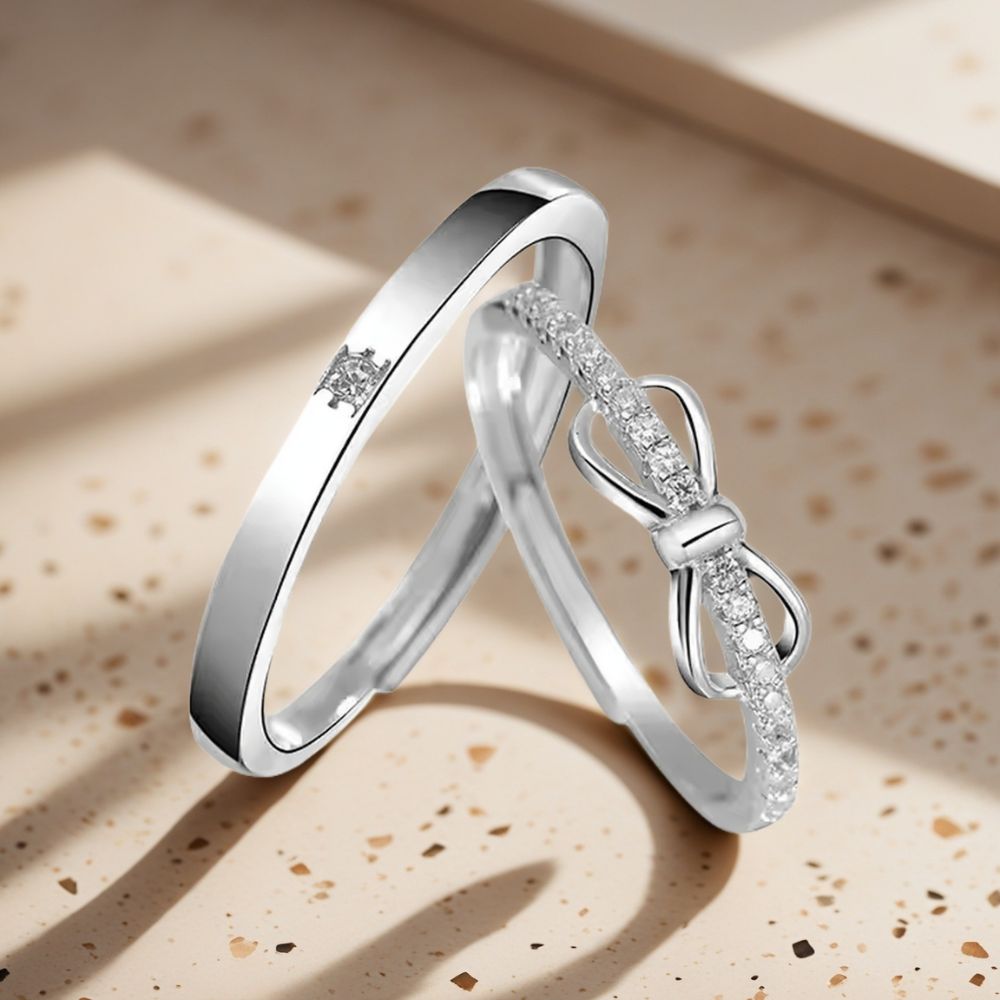
At AeVa, we manufacture lab grown diamond rings for brands, wholesalers, and designers who need consistent quality, clean finishing, and production-ready repeatability. Every lab created diamond rings project is built around measurable specifications: diamond shape and measurements, 4Cs targets (cut, color, clarity, carat), setting geometry, metal purity, and a documented QC plan—so you can scale reliably.
If you’re developing lab diamond engagement rings or expanding a bridal line, we help you go from concept to production with CAD, prototyping, and controlled finishing standards. We also support lab grown diamond engagement rings programs with popular settings, predictable tolerances, and report-number documentation when certified stones are supplied.
We manufacture lab grown diamond rings across the core demand categories customers actually search and buy:
Usage scenarios you can market with: proposals, wedding sets, anniversary upgrades, everyday wear, milestone gifts (birthday/graduation). These scenarios should map directly to your product navigation and collection pages so shoppers self-select quickly.
AeVa manufactures the settings customers expect to see in lab created diamond rings collections, with geometry optimized for secure stone setting and clean polishing.
Most-requested settings
Manufacturing specs we confirm for every setting
These parameters help your lab diamond engagement rings feel consistent across sizes and reduce rework during mass production.
Most shoppers start with shape and size. For lab grown diamond engagement rings, we recommend structuring your product and filters around these high-intent choices:
Round brilliant, oval, cushion, princess, emerald, pear, marquise, radiant, heart.
Carat is only part of visual size. We encourage listing measurements prominently (e.g., length × width × depth) so customers understand face-up spread.
When building lab created diamond rings, we can work to your spec ranges (e.g., excellent/very good cut, near-colorless color range, eye-clean clarity range) and align the setting design with those choices (prong coverage, halo scale, side-stone matching).
Many brands want to label the growth method clearly because shoppers research it. We support programs built around:
From a manufacturing standpoint, our focus is consistent matching, secure setting, and finish quality—regardless of growth method—while keeping documentation aligned to the stone you supply or we source per your requirements.
For retail-ready lab diamond engagement rings, documentation matters. If your stones are certified, we can build the production workflow around:
What we standardize on the product level
This keeps your lab grown diamond rings line consistent across batches and supports your customer-facing transparency.
Because “diamond” terminology is regulated in many markets, descriptions should clearly disclose the product as laboratory-grown (not mined) near the word “diamond.” We recommend that your PDP and invoice text use a clear phrase such as:
For brands selling lab created diamond rings, this clarity reduces confusion and improves conversion by answering the question immediately.
AeVa produces lab grown diamond rings in the metals customers request most often:
Metal and surface standards we control
If you offer engraving, we can support engrave-ready designs with controlled inside-band space and clean finishing to keep text legible.
Customers don’t only buy sparkle—they buy wearability. For scalable lab diamond engagement rings, we engineer for:
These details reduce after-sales issues and make your lab grown diamond engagement rings easier to service.
AeVa is a custom jewelry manufacturer in China specializing in production-grade consistency. A typical lab created diamond rings program follows:
For lab grown diamond rings with pavé or halo work, we add extra QC on bead uniformity, micro-prong alignment, and side-stone matching to maintain a consistent face-up look.
Your category and product pages can include short care notes without overpromising:
This is especially useful for pavé, halo, and eternity styles where small stones and fine beads benefit from regular inspection.
Brands choose AeVa when they need manufacturing reliability—not fluff.
Whether you’re launching a new bridal line or upgrading an existing assortment, AeVa helps you deliver lab grown diamond engagement rings that look consistent online and in-hand.
Tell us what you’re building, and we’ll respond with a manufacturing plan.
To quote and prototype efficiently, send:
AeVa will confirm feasibility, recommend structural adjustments when needed, and outline the prototype-to-production timeline.
They are diamonds grown in a controlled environment rather than mined. For customer clarity, label them as “laboratory-grown diamond” (not mined) on product pages and documents.
The origin differs (grown vs mined). From a ring-manufacturing standpoint, your key considerations are stone specifications, secure setting geometry, and documentation consistency.
Yes. AeVa manufactures solitaire, halo, hidden halo, pavé, bezel, and three-stone designs, including bridal sets and matching bands.
Yes. We support round brilliant, oval, cushion, princess, emerald, pear, marquise, radiant, and heart shapes, with CAD adjusted for each stone’s measurements.
Yes—when stones are supplied with IGI reports (or sourced per your request), we can support report-number pairing and consistent listing specs.
Yes. We manufacture rings for both CVD and HPHT lab-grown diamonds. Our focus is seat accuracy, prong security, and finish standards regardless of growth method.
Yes. We can reserve clean inside-band space and finishing steps that keep engraving crisp and legible.
Recommend gentle cleaning solution, soft brushing/cloth, thorough rinsing, and periodic prong inspection—especially for pavé, halo, and eternity rings.